
1
Master Hiragana and Katakana
These two writing systems are the foundation of Japanese pronunciation. Learning them early helps you move beyond Romaji and develop accurate pronunciation.

Most people come to Japanese with a clear goal in mind: a job opportunity, an upcoming trip, a dream of studying abroad, or simply a love for the culture. But no matter the reason, many face the same challenge: when it comes time to speak, the words don't come.
That's because learners spend their time reading, listening, and studying vocabulary, but very little time actually speaking. They assume they need enough input before they can start talking. But that moment rarely comes. Speaking is a skill that takes time to develop, and it's best to start practicing from the beginning.
So how can you start speaking?
These two writing systems are the foundation of Japanese pronunciation. Learning them early helps you move beyond Romaji and develop accurate pronunciation.
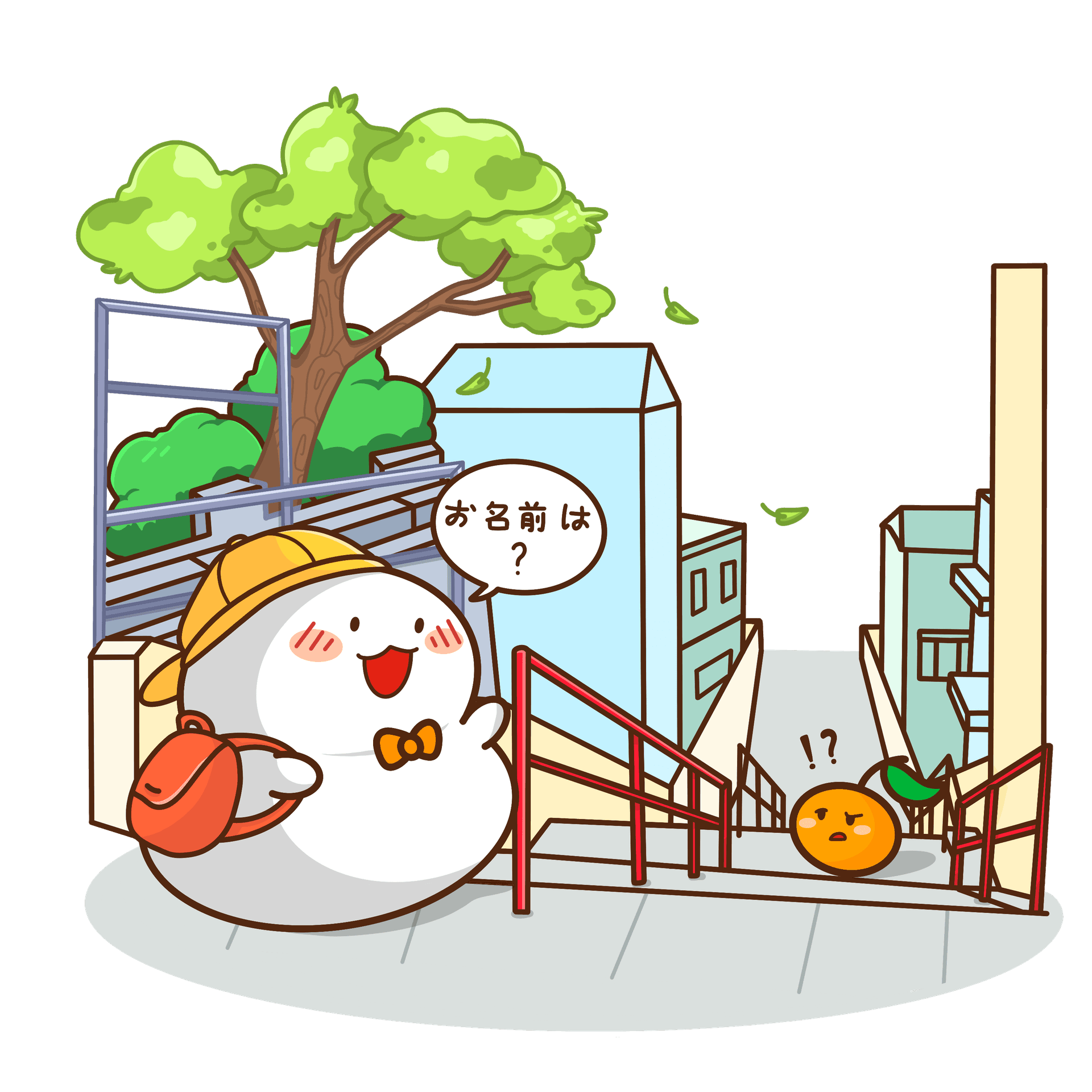
Instead of random vocabulary lists, focus on words that are useful in everyday situations. MochiKaiwa's lessons are built around real-life topics, helping you learn over 1,000 common words by speaking them aloud, receiving instant pronunciation feedback, and using them in short practical conversations.
Try shadowing native speakers, recording yourself, or practicing with language partners. MochiKaiwa also includes speaking-focused exercises such as shadowing and active recall to help strengthen your vocabulary and speaking skills.
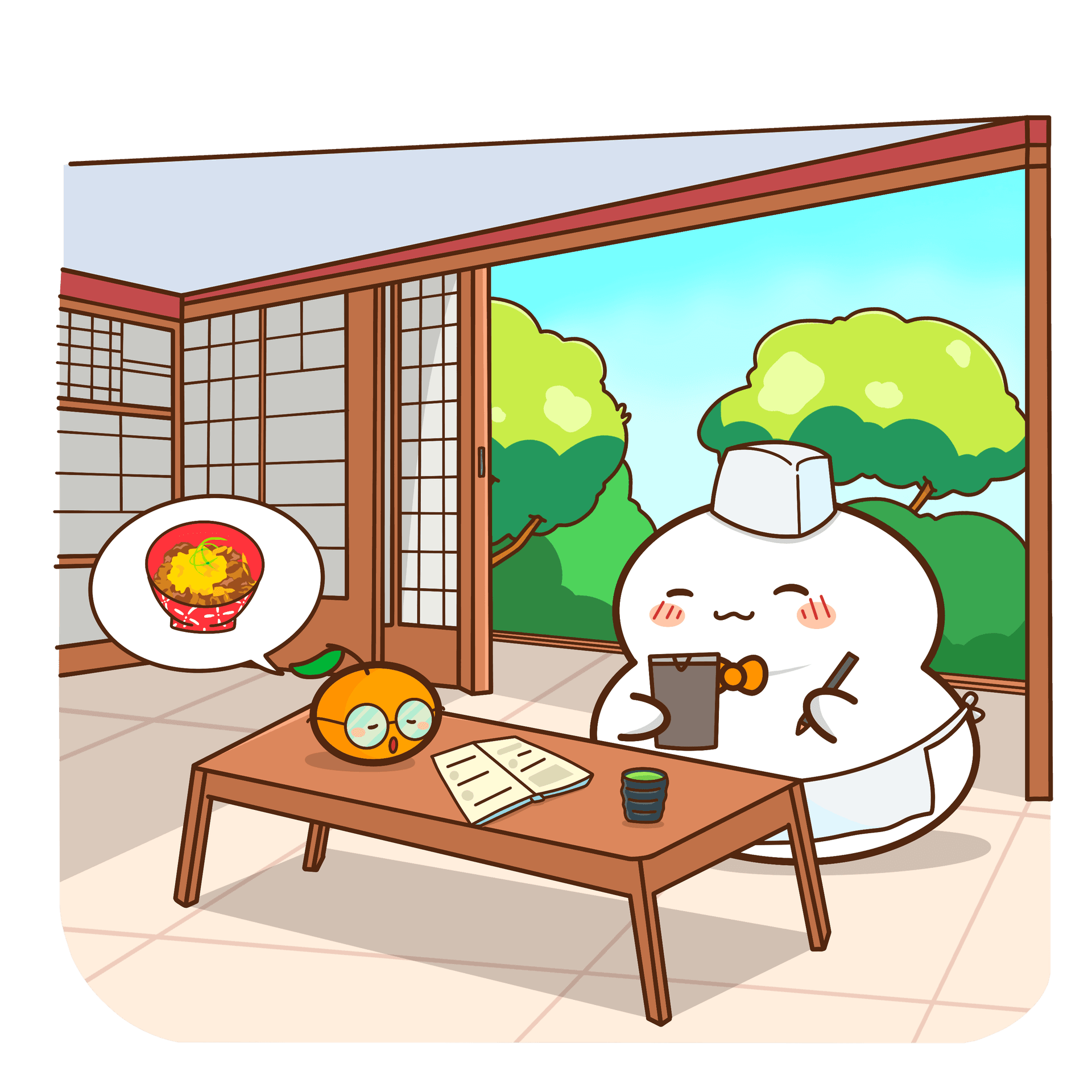
Real fluency isn't about memorizing scripts, it's about being able to respond fluently the moment someone speaks to you. MochiKaiwa's role-play feature puts you in realistic everyday situations, training you to think and speak on your own before you ever face a real conversation. That's how real reflexes are built.
Start today. Your supportive AI partner is ready when you are.
Start Today